
The Niche Guide
Understanding the boundaries, characteristics, and significance of magical realism and 19th-century poetry.
What is Magical Realism?
Core Characteristics
Blended Reality
Magical elements are presented as ordinary parts of the world, not as separate from reality but integrated into it.
Matter-of-Fact Tone
Supernatural events are described with the same straightforwardness as everyday occurrences, creating a sense of normalcy around the extraordinary.
Symbolic Function
Magical elements often serve to illuminate social, political, or psychological realities rather than escape from them.
Boundaries of the Genre
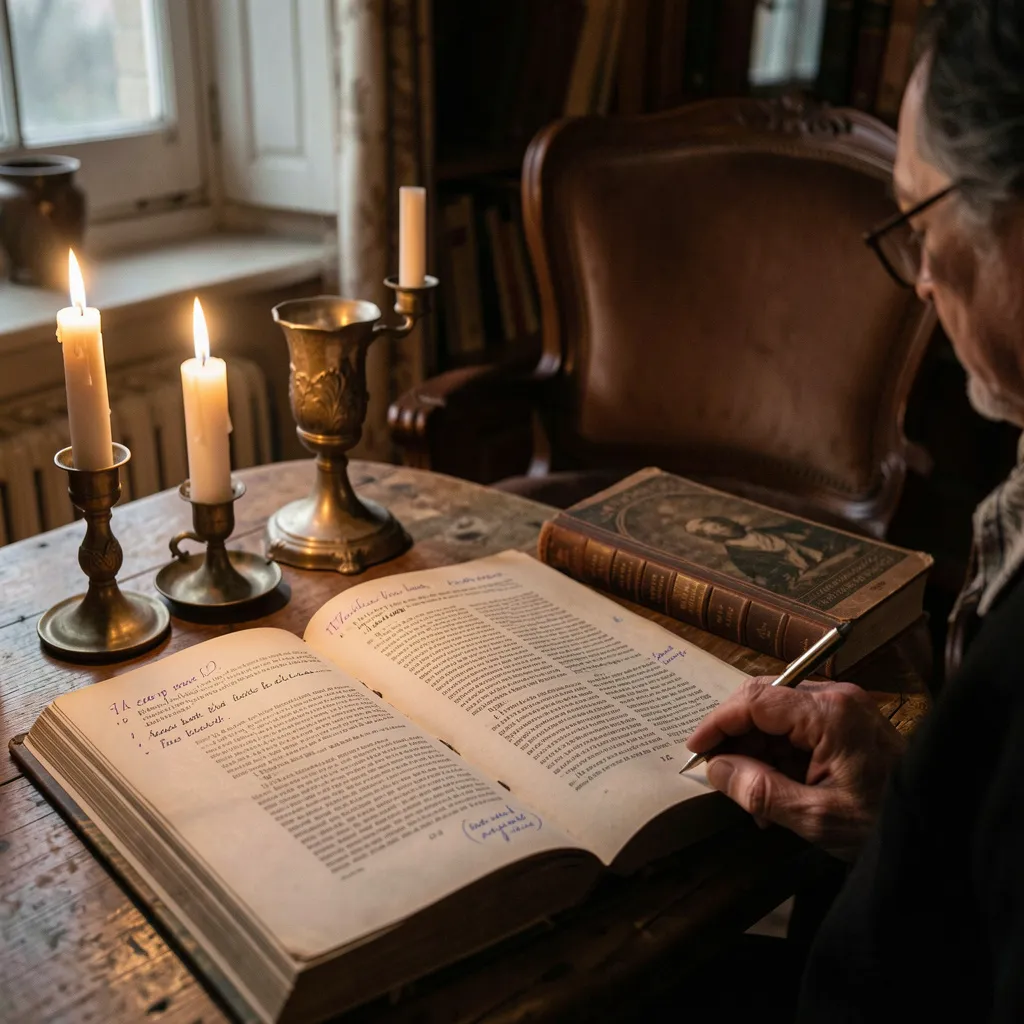
Magical realism exists in a space between fantasy and realism, using fantastical elements to reveal deeper truths about human experience.
19th-Century Poetry
Key Movements and Characteristics
Romanticism
Emphasis on emotion, nature, and individual experience. Poets like Wordsworth and Coleridge explored the relationship between the self and the natural world.
Victorian Poetry
Addressing social issues, moral questions, and the complexities of industrial society. Poets like Tennyson and Browning used traditional forms to explore contemporary concerns.
American Innovations
Whitman and Dickinson broke from European traditions, developing new forms like free verse and exploring themes of democracy, individualism, and the American experience.
Form and Innovation
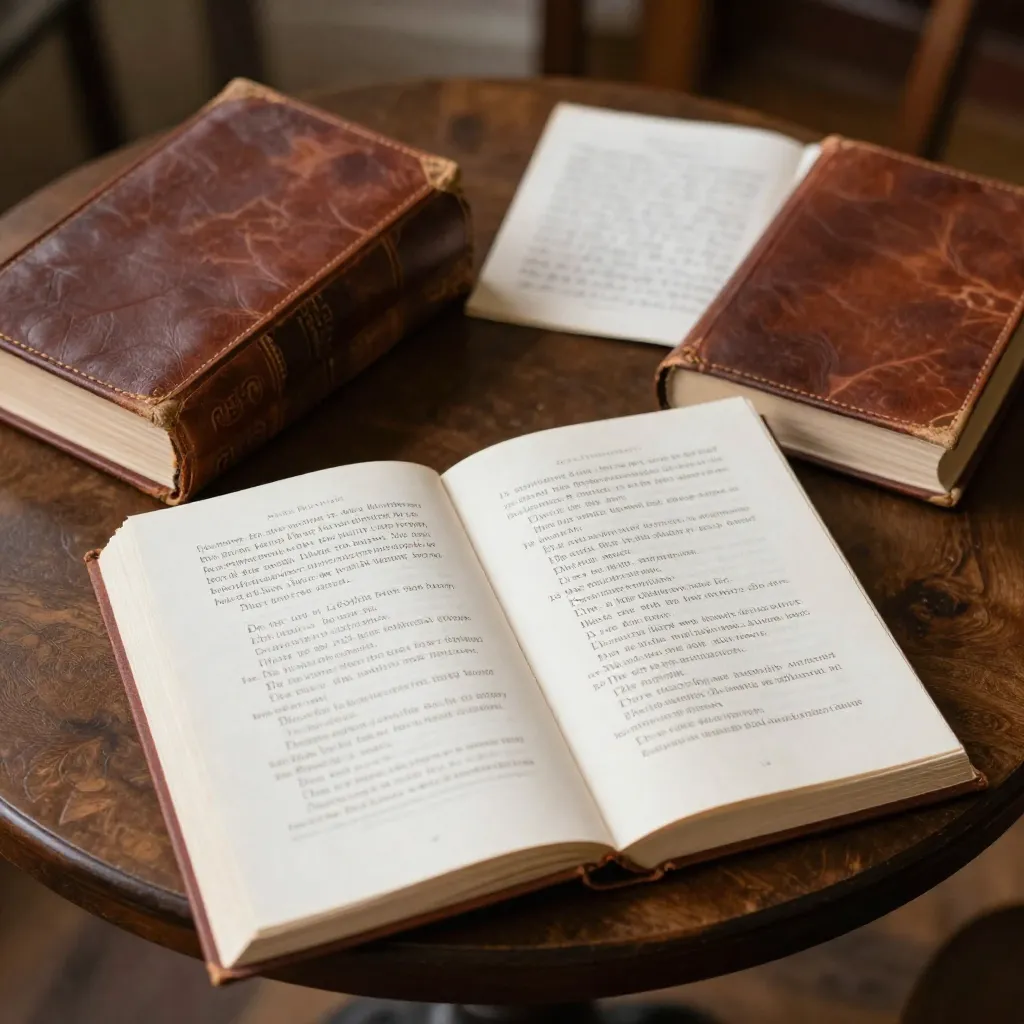
The 19th century saw significant experimentation with poetic form, from the development of free verse to the refinement of traditional structures.
Connections Between Genres
Thematic Overlaps
Both magical realism and 19th-century poetry often explore themes of memory, time, identity, and the relationship between individual experience and broader social or historical contexts.
Narrative Techniques
Both genres use innovative techniques to challenge conventional ways of representing reality, whether through magical elements or experimental poetic forms.
Historical Context
Both emerged during periods of significant social and political change, using literary innovation to address and reflect on these transformations.
Exploring Genre Boundaries
Genre Spectrum
Understanding where magical realism and 19th-century poetry fit within broader literary traditions helps illuminate their unique contributions to literature.
Magical Realism vs. Fantasy
While fantasy creates separate worlds, magical realism integrates the magical into our world, using it to reveal rather than escape reality.
19th-Century Poetry vs. Prose
Poetry's compression and attention to form allow for different kinds of meaning-making than prose, creating unique opportunities for exploration.
Historical vs. Contemporary
Understanding how these genres developed historically helps us appreciate their continued relevance and influence on contemporary literature.